Narrative Insights: NetSuite’s First AI Feature
What it is:
AI feature that transforms complex ERP data into clear, contextual business summaries, helping users quickly understand key trends and make informed decisions.
My role:
Lead UX Designer. Defined the product vision and foundational UX framework, iterating on the experience through research insights and cross-functional collaboration.
Impact:
Established the foundation for NetSuite’s first AI-powered experience, creating scalable design patterns that informed future AI features across the platform.
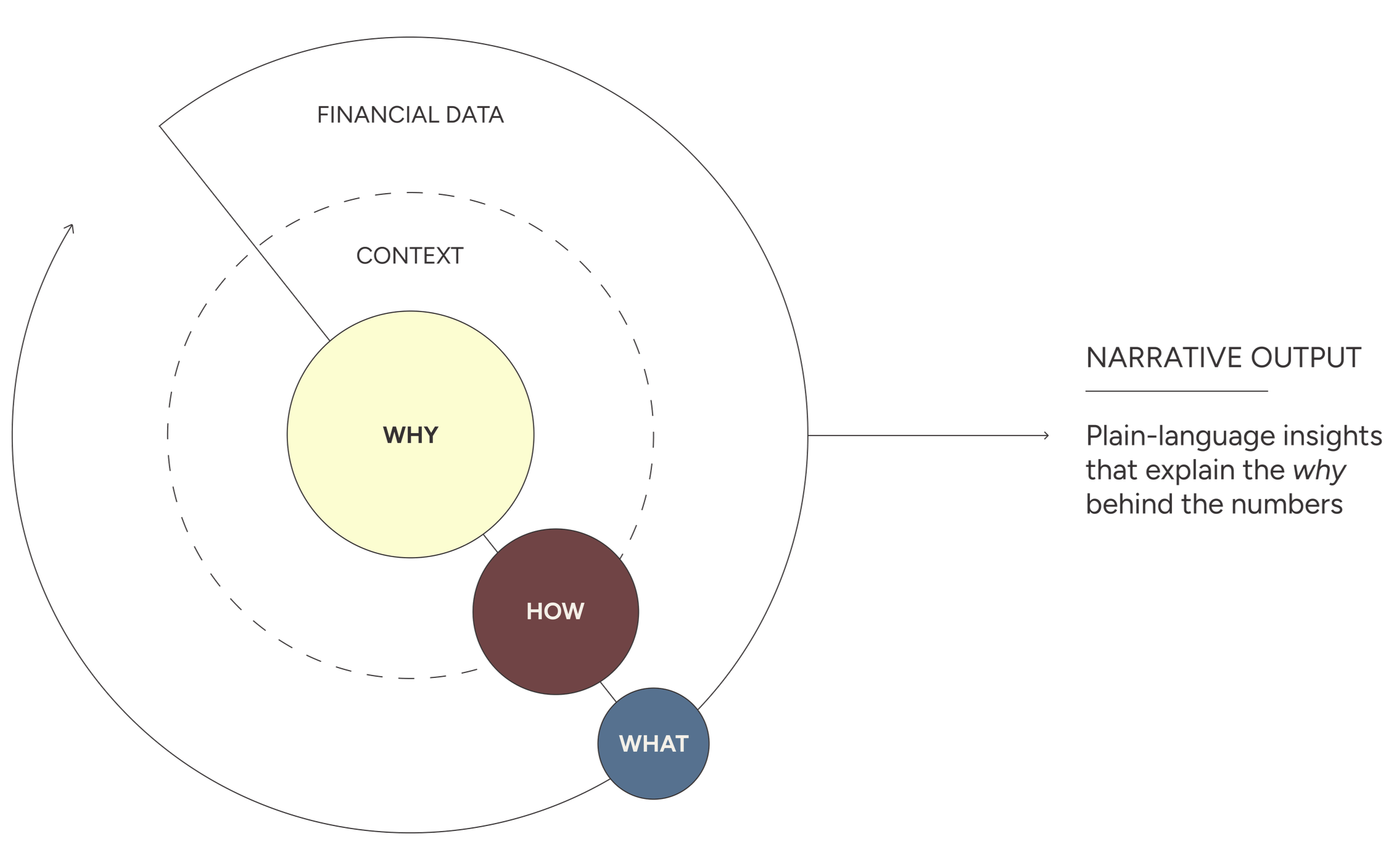
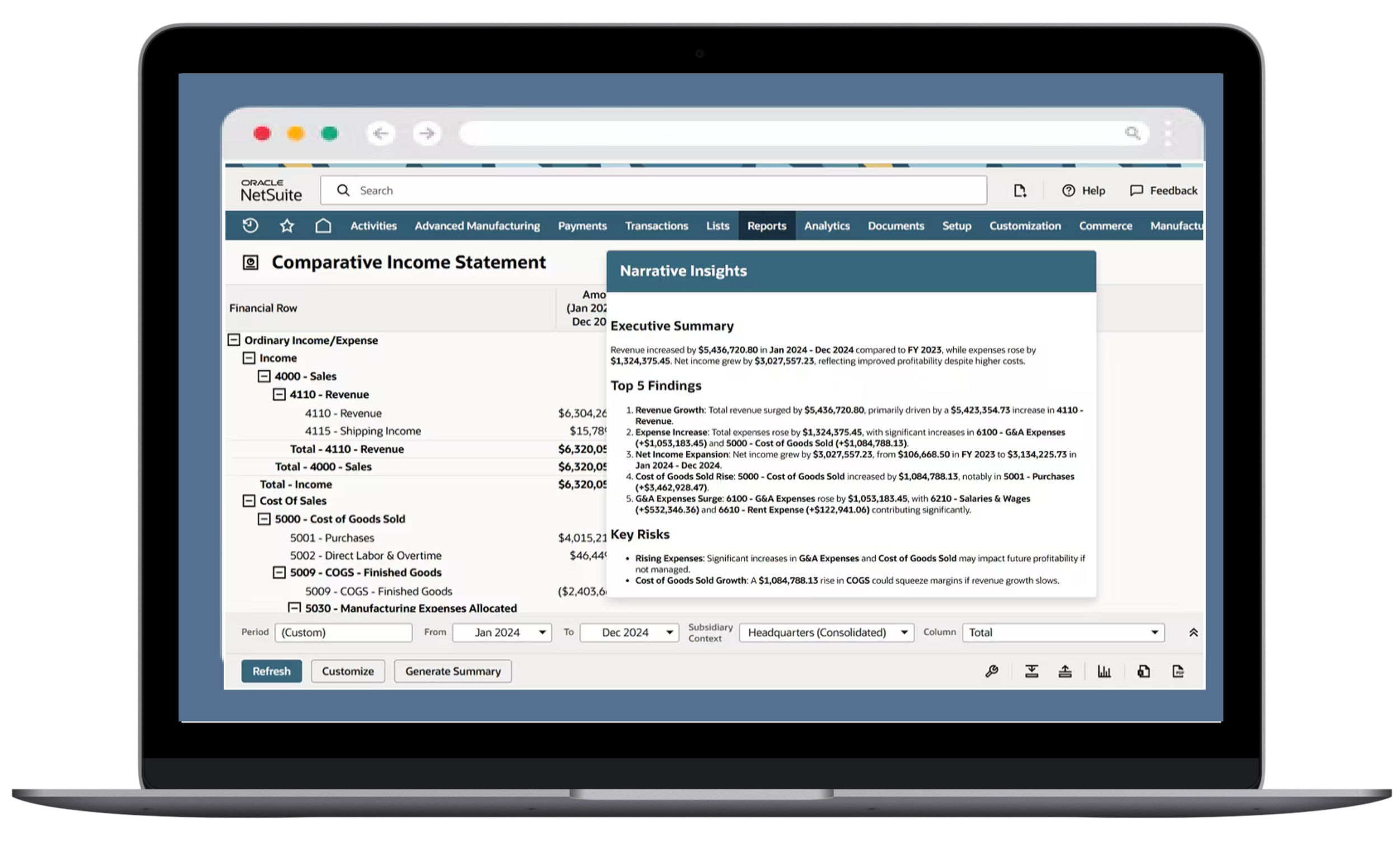
OVERVIEWNarrative Insights is the first AI feature shipped in NetSuite's history. It uses AI to generate plain-language summaries of financial reports, helping CFOs, controllers, and business leaders extract the "why" behind their numbers and communicate it clearly to boards, investors, and executive teams.
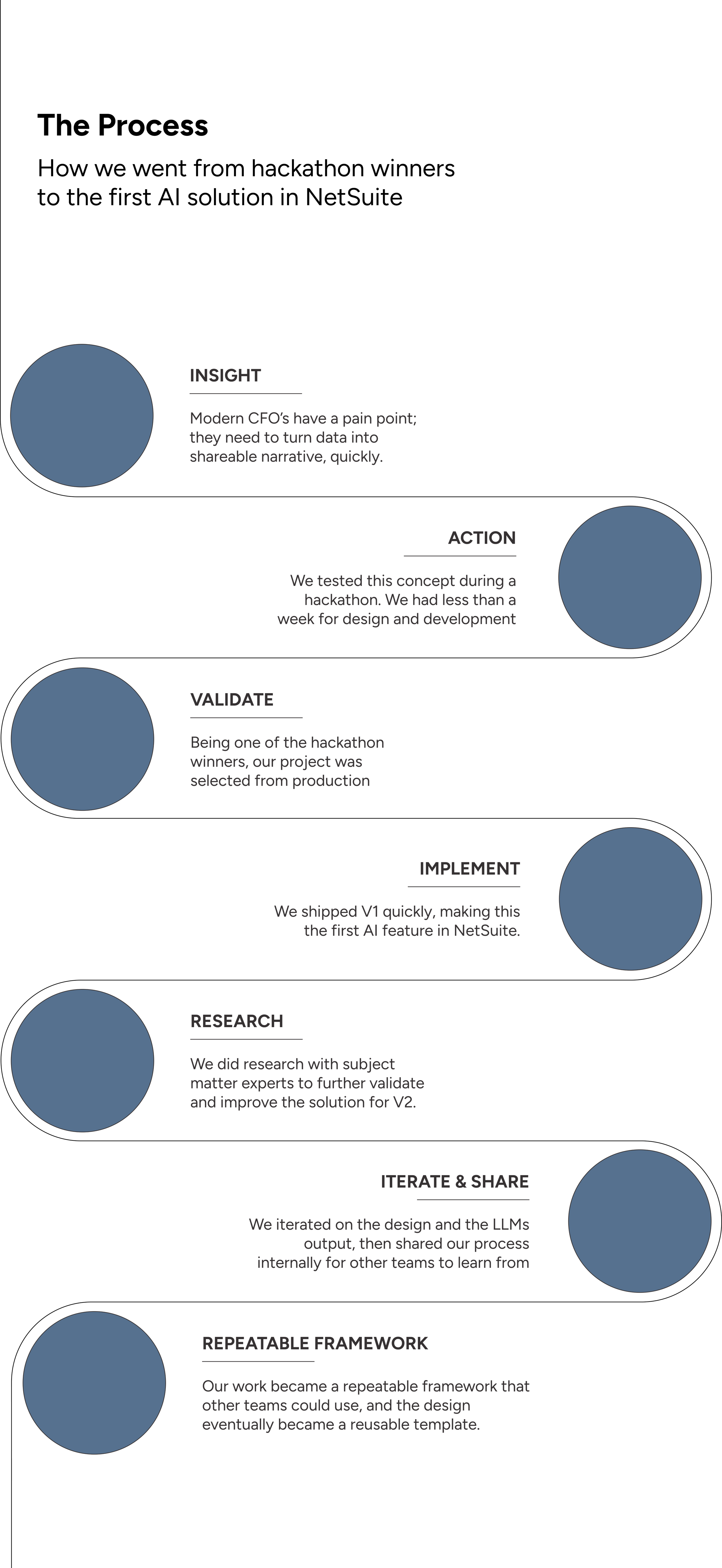
I was the lead UX designer across the full arc: from a one-week design sprint through a hackathon win, research-informed iteration, then hand off to eventually become a standard template in NetSuite's design system. I had the pleasure of working alongside incredible PMs, engineers, and UX researchers.
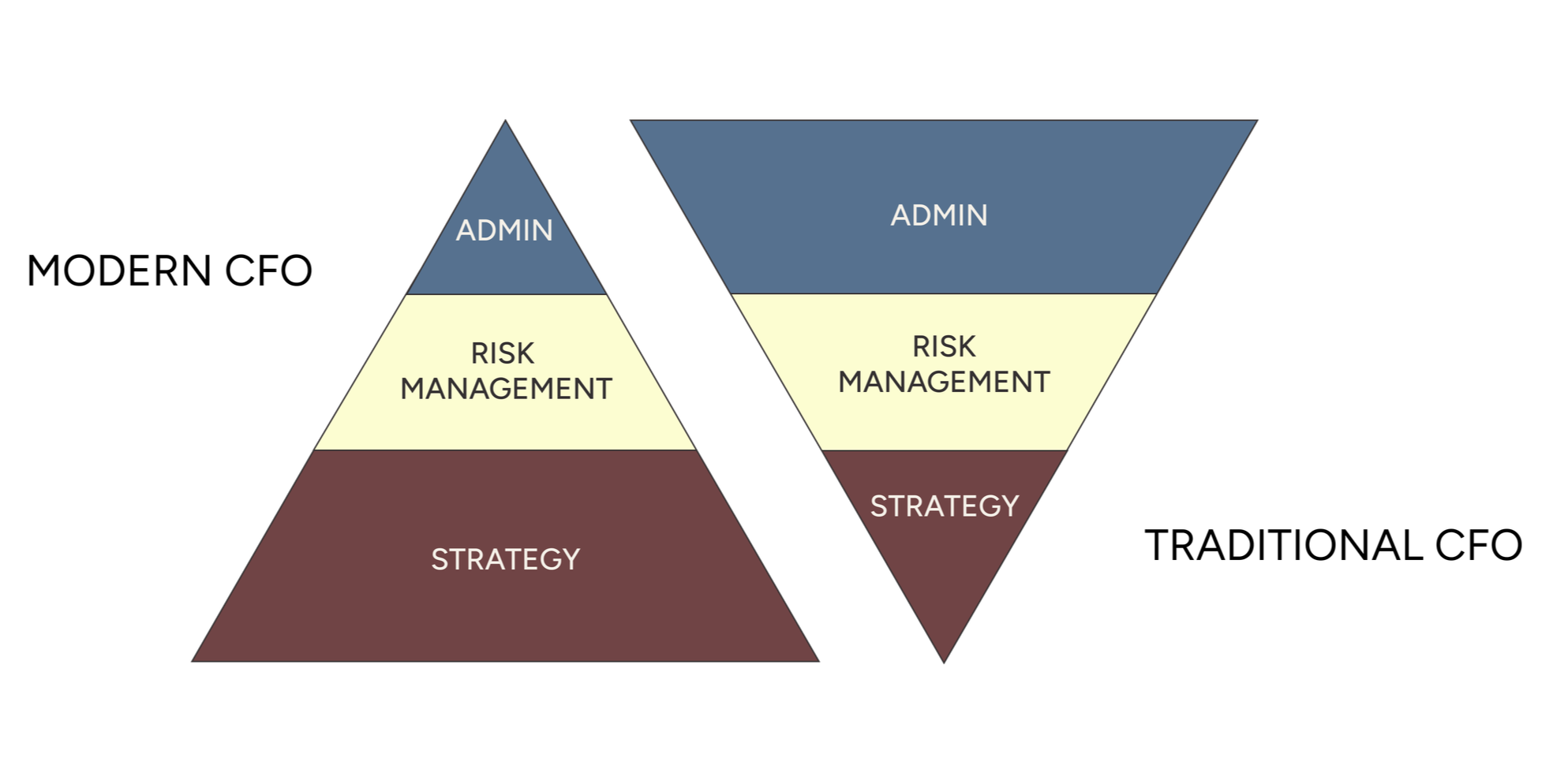
THE PROBLEMModern CFOs are no longer just reporting numbers, they're expected to explain them. But turning financial data into a clear, shareable narrative meant manually interpreting reports, synthesizing context, and writing from scratch. For a CFO preparing a board package, that's hours of work.
NetSuite had all the data. It just had no way to turn it into language.
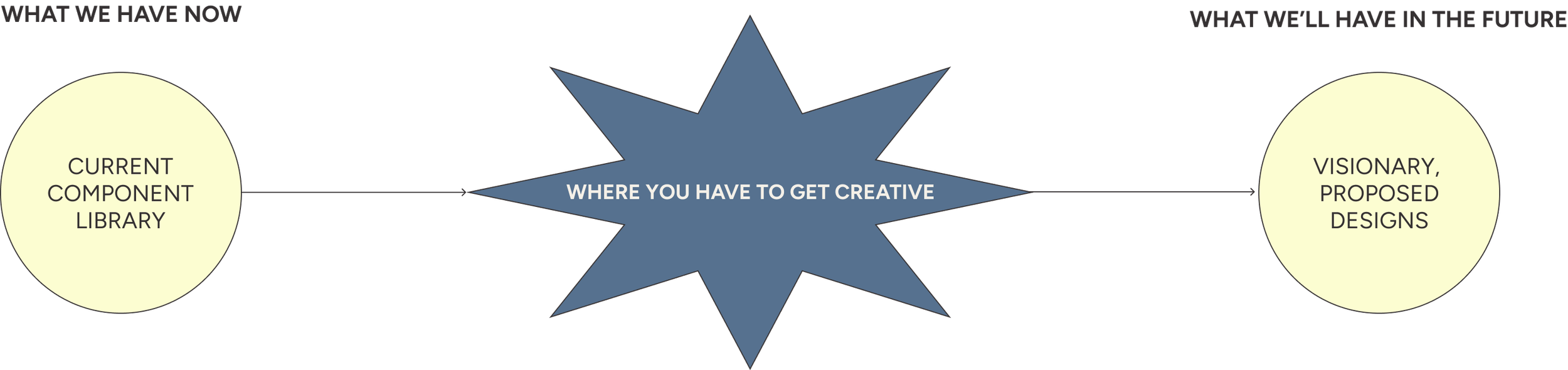
DESIGNING FOR WHATS NEXT I had less than a week to design the initial experience on a legacy platform with limited components. Rather than designing only for today’s constraints, I used the MVP to establish interaction patterns that could evolve into a richer AI experience as the platform matured.
USER RESEARCH Once V1 launched, I partnered with UX Research to iterate on the experience using qualitative feedback from users. One insight became clear: users weren’t just reading AI summaries. They wanted to explore them.
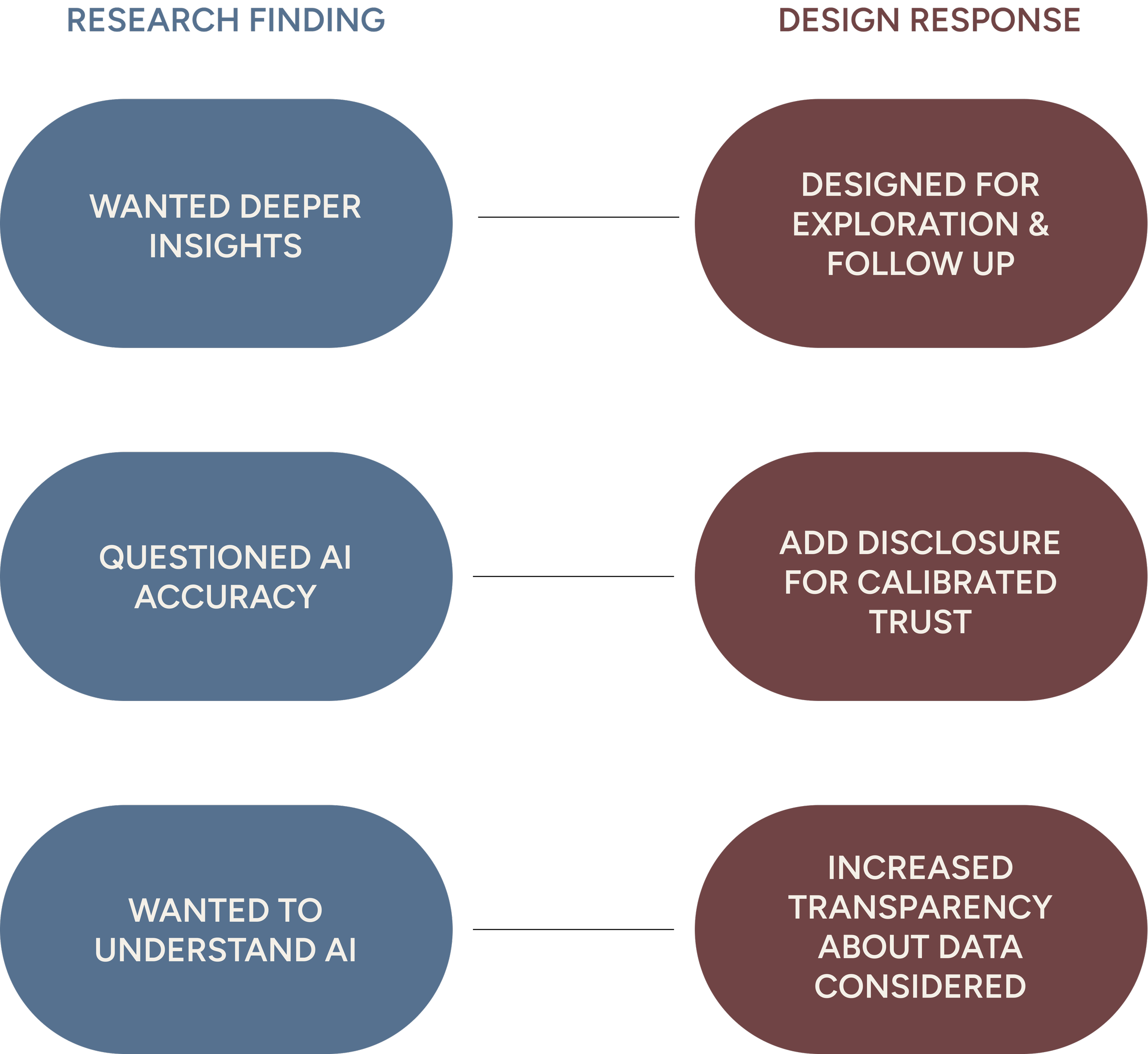
ITERATE & EXPANDFor v2, I focused on the desire to learn more, and continued to align our current design with a more interactive future-focused design. I also prioritized calibrated trust by adding a visual AI indication pattern and a disclaimer so users could see how the narrative was generated and decide for themselves when to rely on it. Because the goal was never blind trust. AI here is a teammate not an authority, and it should be challenged, collaborated with, and able to show its work.
This project became a reusable framework that other teams could reuse, eventually becoming a standard design system component and the first AI feature shipped to customers in NetSuite’s history.
OUTCOMEFirst AI feature in NetSuite's history, live for customers
Design process adopted as a replicable framework across NetSuite
Narrative pattern became a standard design system template, expanding across records and reports suite-wide
EXTERNAL DEMO OF LIVE PRODUCT
What this project demonstrates
Designing AI that earns appropriate trust.
When AI output is going in front of a CFO's board, the stakes are real. This project required thinking carefully about what transparency actually means in practice, not making users feel confident, but giving them the information to know when confidence is warranted.
Working within constraints without losing the vision.
Legacy platform limitations shaped every early decision. The approach was to map the ideal state first, then work backward, so that short-term compromises never closed off long-term possibilities.
Turning one project into a pattern.
The goal was never just to ship a feature. It was to build something other teams could learn from. The process we followed became a replicable framework for AI feature development across NetSuite, which is the kind of impact that outlasts any single release.
NDA NOTE